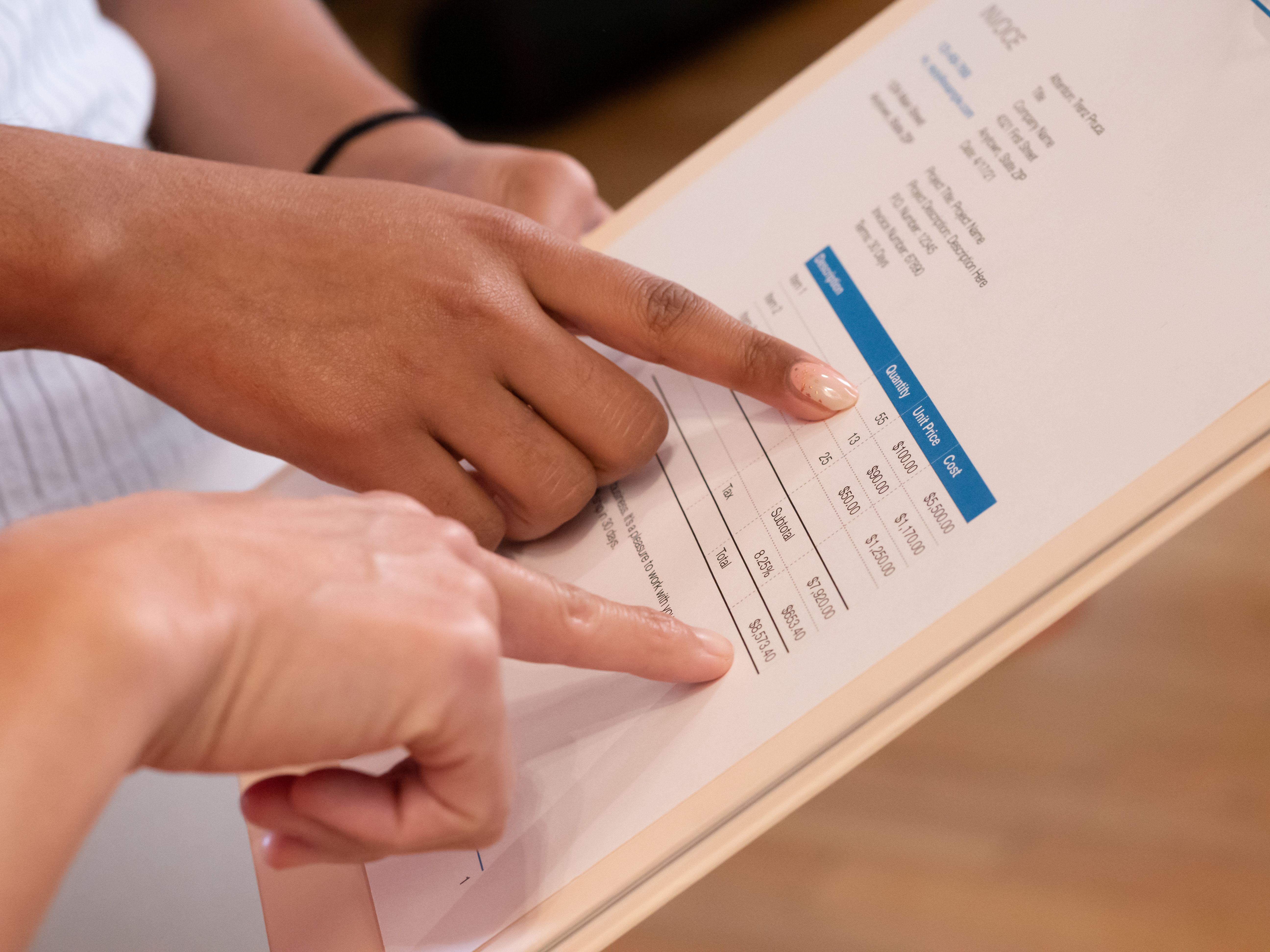
No company receives a monthly invoice labeled "Senior Lawyer Time Spent Searching for Answers." If they did, they'd probably cut that line the same day. The problem is that this cost isn't itemized anywhere — it's diluted into salary, disguised as ordinary work hours, and because of that it's never discussed in committee, never shows up on a budget spreadsheet, never becomes a decision.
That's different from saying Legal works too much. It's saying that a meaningful share of that work doesn't require what a senior lawyer has that's most expensive: judgment. Much of it is source-hunting, framing questions, and drafting repeat answers — work that any well-designed structure would solve in a fraction of the time.
The Cost No One Calculates
According to Robert Half's 2026 Salary Guide, 26% of Brazilian companies plan to expand their legal departments, and 44% of hiring managers are already willing to pay more for professionals with specialized technical knowledge. In other words, the market is confirming that a senior lawyer is an expensive, scarce asset — exactly why their time should be treated as a finite resource, not as infinite hours of goodwill.
A senior in-house lawyer in Brazil costs, with charges and benefits, somewhere between R$100 and R$150 per hour, depending on company size and region. Mid-sized advisory teams consistently report between an hour and a half and three hours per consultation, and between thirty and fifty consultations a month per lawyer. Multiplying those ranges works out to sixty to a hundred and fifty hours a month, in advisory work alone, per professional — half to nearly the entire workday.
Two Layers
The first layer happens even when a human still gives the answer. When a request arrives already organized, with the relevant source located and a structured draft answer ready, the lawyer stops digging and starts validating. That cuts consultation time in half, because half of the original work was search, not judgment.
The second layer is different and depends on maturity. As the company's knowledge base grows, some of these consultations stop needing any human intervention at all, because they've already been answered before and the answer is structured enough to be safely reused. That's a maturity outcome, not a starting point. The first layer of value — the one that cuts human consultation time — is what gets captured from the very first month of use.
The Real Numbers
Take a team of seven lawyers, each handling forty consultations a month, two hours per consultation on average, at a cost of R$120 an hour. That's 560 hours a month in advisory work — the equivalent of R$67,200 a month, or over R$800,000 a year, just for that slice of the operation. Cutting those two hours in half, while keeping the same volume of consultations, frees up 280 hours a month for the team to do what only a senior lawyer does well: actually assess risk, not hunt for where it's written down.
That number doesn't show up in any financial report today. It's buried inside payroll, disguised as normal productivity, and it will stay invisible until someone decides to measure it.
The Choice
Every company that hasn't done this math yet is paying this invoice without knowing its value. Legal isn't going to stop answering consultations — that's the department's job. The question is how much of the team's most expensive hour keeps being spent on work that doesn't need a lawyer at all, just better organization.