Two kinds of companies will sign an enterprise AI contract this year. One celebrates the result at the budget meeting twelve months from now. The other explains to the board where the money went. The difference between them isn't the technology they bought — it's a calculation one did before signing, and the other didn't.
The math that separates who gets it right from who gets it wrong
The clearest recent picture of this comes from the IBM CEO Study 2025, by the IBM Institute for Business Value: 2,000 CEOs surveyed between February and April, and only 25% of AI initiatives delivered the expected return. Just 16% scaled across the entire enterprise. The common denominator among the ones that didn't deliver isn't the vendor or the technology — it's that they were bought on the seller's promise, with no independent return estimate built before signing. Back in March this year, Gartner arrived at the same root cause from a different angle, warning CFOs that the most common mistake is treating every enterprise AI initiative as a generic bet instead of evaluating each one with its own timeline and return profile before buying. The statistic isn't about AI not working. It's about most companies skipping the step that decides whether it will work for them.
The problem was never the technology
This weighs even more heavily on Legal, HR, and Compliance. These areas don't just struggle to project the return of a new AI tool — before that, they never measured their own Invisible Work: the time senior people spend on repetitive tasks the new tool promises to solve. Without that baseline, any return estimate becomes a guess, even when the tool itself is good. And proof that it can be good already exists, publicly and recently: the 2025 Ediscovery Innovation Report, produced by Everlaw with ACEDS and ILTA, surveyed 299 legal professionals and found lawyers recovering up to 260 hours a year — 32.5 business days — using generative AI in their day-to-day work. The gain is real and measurable. What's missing isn't the technology delivering. It's someone, before buying, translating "this works for a team like ours" into a calculation that can withstand the CFO's question a year later.
Where the math shows up, the return shows up
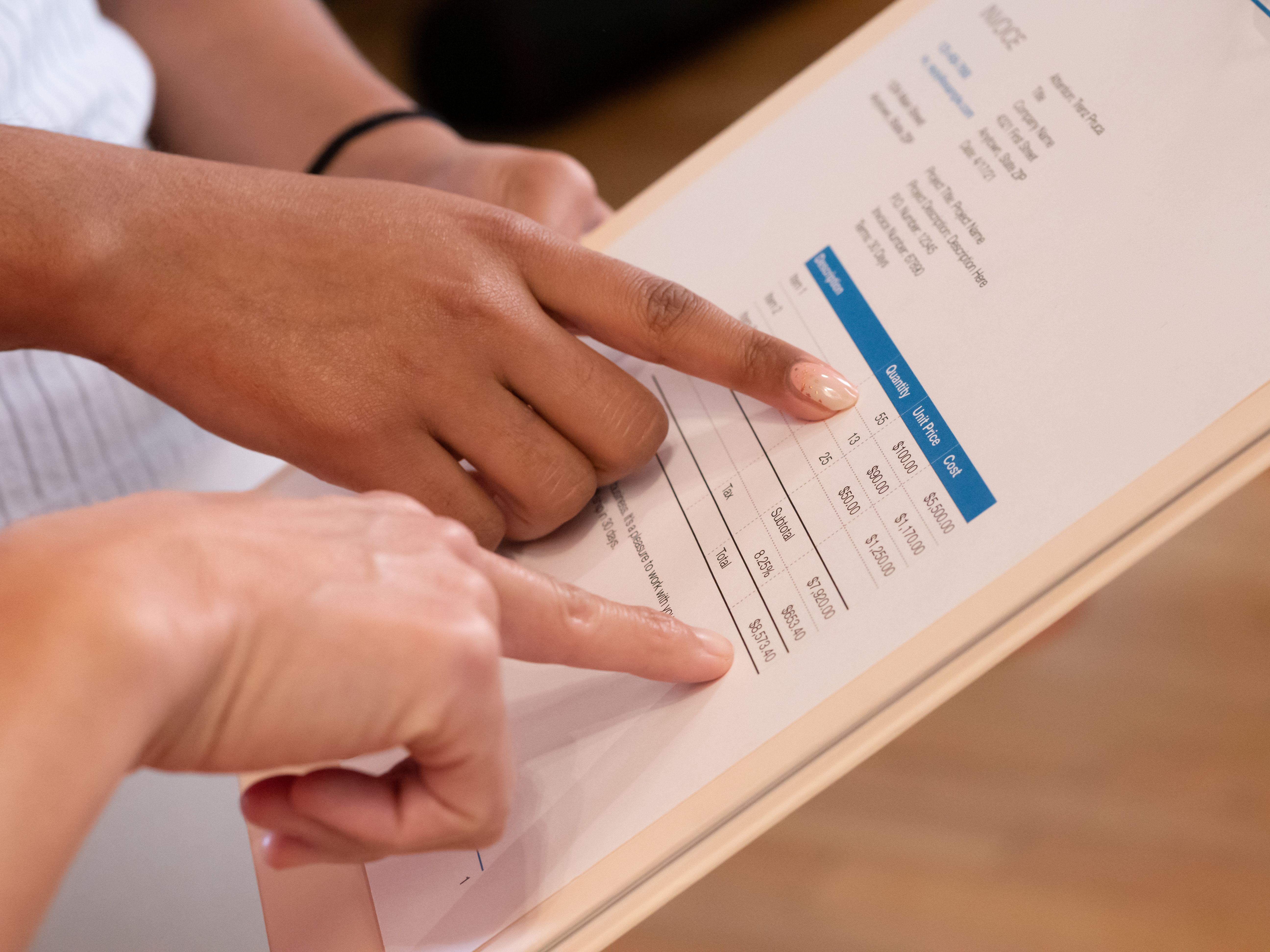
Take a ten-person team spending, on average, six hours a week on repetitive questions — not a worst-case scenario, but the average that any internal Legal or HR survey tends to reveal once someone finally stops to measure it. That's just over three thousand hours a year in that team alone. At a market average of R$100 to R$150 an hour for a senior specialist, the bill already tops R$300,000 a year — before adding the time spent switching systems to answer or compiling manual reports because no one documented the answer the last time the same question came up. None of these numbers depend on a two-year project to show up. They appear in the first quarter, because the problem they describe — senior people answering questions that shouldn't be on their desk — already exists today, with or without AI.
The cost of buying without knowing what you're buying
The company that does this math before signing is already ahead of the group that didn't — the same group dragging that 75% statistic down. AskLisa solves this directly with a calculator that starts from the client's real operational numbers — not AskLisa's, theirs — and instantly returns the one-to-three-year return projection, backed by the same research behind this piece.
Before buying, it's worth doing the math. To run the numbers with AskLisa's ROI calculator, just send a message and AskLisa will get it to you.